
The Return of Linen: Why Fashion Is Slowing Down Again
Linen has quietly re-emerged as one of fashion’s defining fabrics, reflecting a wider shift toward relaxed tailoring, breathable materials, and understated luxury. This editorial explores how quiet luxury, slow fashion, and texture-driven style are reshaping modern wardrobes in 2026.
 Ibrahim
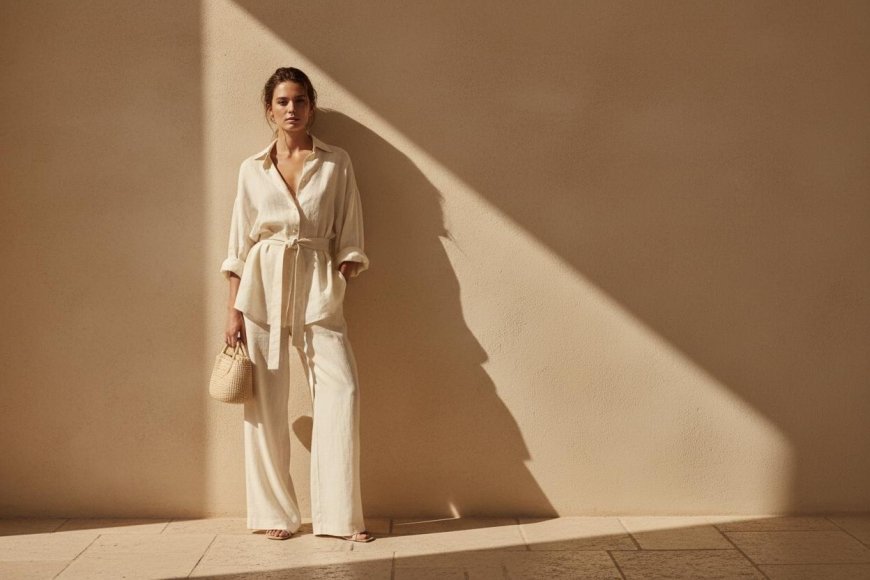
The Return of Linen: Why Quiet Luxury Fashion Is Leaving Fast Trends Behind
Fashion has spent the last decade chasing speed.
Not elegance. Not craftsmanship. Certainly not permanence.
Speed.
Collections arrive before seasons fully change. Trends explode overnight through short-form video platforms, then disappear just as quickly beneath another wave of aesthetics with strangely disposable names. The cycle has become so aggressive that clothing often feels less like personal expression and more like algorithmic participation.
Yet somewhere inside that exhaustion, fashion appears to be slowing down again.
Linen may be the clearest sign of it.
Across editorials, luxury collections, streetwear photography, and even everyday wardrobes, the fabric has quietly returned—not as a seasonal novelty, but as part of a broader cultural shift toward restraint, texture, and ease. Wrinkled white shirts. Loose drawstring trousers. Soft tailoring that moves naturally instead of holding rigid shape. The silhouettes feel calmer now. Less engineered. Less eager to perform.
That change matters because fashion rarely changes fabric preferences without revealing something deeper about the mood of a generation.
For years, the industry leaned heavily into synthetic perfection. Technical materials dominated everything from luxury outerwear to casual basics. Clothing became sharper, cleaner, more optimized for screens than reality itself. Outfits were designed to photograph well before they were designed to be lived in.
Linen disrupts that entire language.
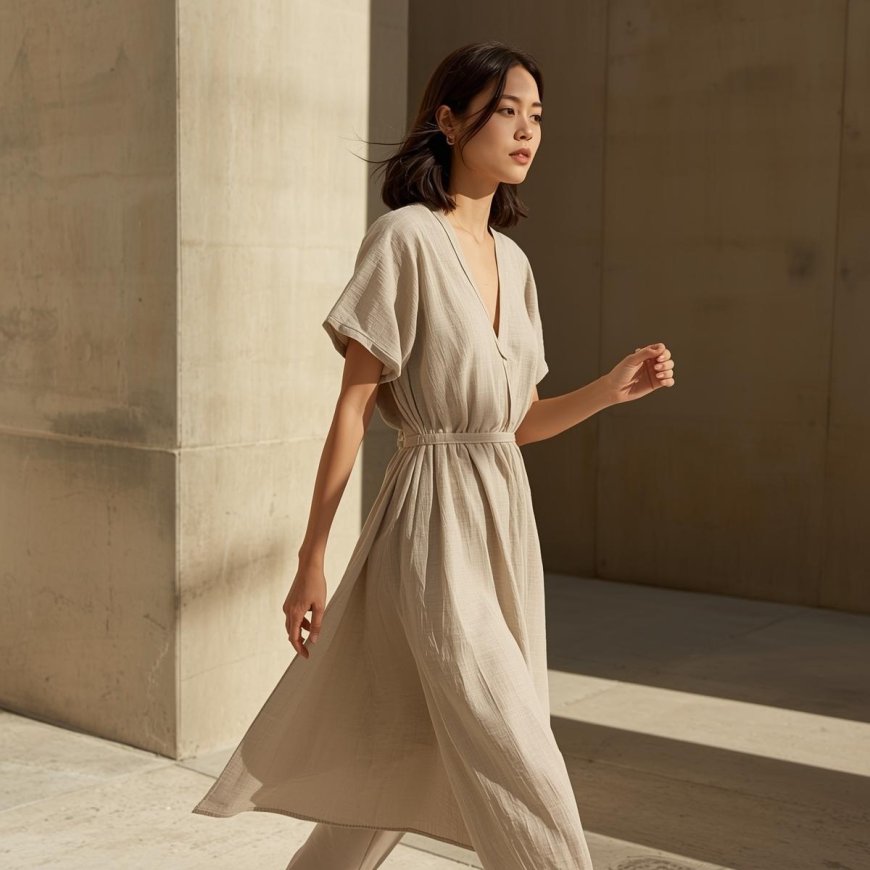
It wrinkles almost immediately. It creases at the elbows. It softens unevenly over time. In many ways, it refuses the polished artificiality modern fashion spent years trying to perfect. Oddly enough, that resistance may be exactly why people are drawn to it now.
Luxury houses such as Loro Piana, Brunello Cucinelli, and The Row have increasingly embraced understated palettes, fluid tailoring, and textured natural fabrics that prioritize feeling over spectacle. Their collections rarely scream for attention. Instead, they create atmosphere through proportion, movement, and material quality.
That philosophy has gradually filtered into mainstream fashion culture.
Streetwear, once dominated by oversized logos and hyper-visible branding, now seems noticeably quieter. Neutral-toned linen overshirts appear beside vintage denim and classic sneakers. Relaxed trousers replace heavily stacked silhouettes. Even luxury menswear campaigns have shifted away from hyper-stylized futurism toward something softer and more tactile.
Part of this movement is undeniably practical.
Global summers are becoming increasingly difficult to dress for. Heavy layering, synthetic fabrics, and structured garments often feel unbearable outside controlled indoor environments. Breathability is no longer merely associated with vacation wear or resort styling. It has become a genuine consideration in how people build everyday wardrobes.
Linen responds naturally to that reality.
Unlike many synthetic blends, the fabric allows air to move freely while developing character through wear. High-quality linen rarely looks identical from morning to evening, and perhaps that unpredictability has become appealing in a culture saturated with digital sameness.
There is also a psychological dimension to its return.
The rise of “quiet luxury” may suggest a broader fatigue with conspicuous consumption. Consumers appear increasingly skeptical of trend-driven overconsumption, particularly when social media encourages constant aesthetic reinvention. In response, many people seem drawn toward clothing that feels durable—not only physically, but emotionally.
A relaxed linen shirt does not demand attention in the same way a heavily branded statement piece does. Its appeal is subtler. The texture matters. The cut matters. The way fabric collapses naturally against the body matters. These details reward observation rather than immediate visibility.
Fashion editorials have adapted accordingly.
Photography now leans into softer lighting, warmer neutrals, visible grain, and imperfect textures that would once have been considered flaws. Linen photographs beautifully within this visual language because it interacts with light unpredictably. Folds create shadow. Movement creates shape. Nothing appears overly controlled.
Ironically, that sense of imperfection now feels more luxurious than perfection itself.
Of course, linen is not without drawbacks. It wrinkles constantly. Premium versions remain expensive. Poorly manufactured blends can lose structure quickly after repeated wear. Still, those inconveniences may actually reinforce the fabric’s authenticity. Linen behaves like a living material rather than a synthetic simulation of comfort.
That distinction feels increasingly important.
Fashion in 2026 appears less obsessed with appearing futuristic and more interested in rediscovering physical experience—texture, breathability, softness, movement. Consumers are beginning to value how clothing feels during ordinary life rather than how aggressively it performs online.
Linen sits at the center of that shift.
Its return does not necessarily mean maximalism is disappearing forever, nor does it signal the death of trend culture. Fashion rarely moves in clean, predictable cycles anymore. Still, the growing presence of natural fabrics, relaxed tailoring, and understated styling suggests something meaningful about where modern aesthetics may be heading.