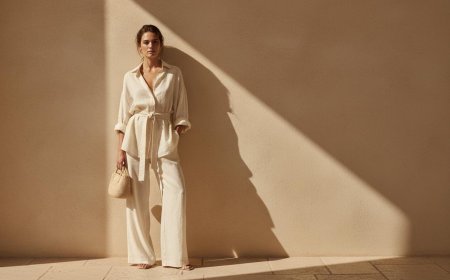
When summer temperatures start climbing, fashion suddenly becomes less about appearance and more about survival. Heavy fabrics, synthetic blends, and tight silhouettes may look polished in studio photos, but outside, under real heat and humidity, they often become unbearable within minutes.
That shift explains why breathable fabrics are quietly becoming one of the most searched fashion topics online. People are paying closer attention to how clothing actually feels instead of simply following fast-moving trends from social media.
Cotton continues to dominate for a reason. It absorbs moisture well, feels soft against the skin, and allows airflow that synthetic materials usually block. Linen, although slightly more textured and prone to wrinkles, has also returned strongly in recent years because of its cooling effect and relaxed aesthetic. Lawn fabric, especially popular across South Asian fashion, offers another lightweight alternative that works particularly well in humid weather.
Interestingly, many fashion brands are slowly moving back toward fabric-focused marketing. A few years ago, most campaigns centered almost entirely on silhouettes, colors, or celebrity influence. Now, words like “breathable,” “lightweight,” and “natural fibers” appear everywhere in summer collections. That change may suggest consumers are becoming more practical about fashion purchases, especially in regions dealing with longer and harsher summers.
Comfort, however, does not automatically mean sacrificing style. Oversized cotton shirts, loose linen trousers, monochrome co-ord sets, and soft neutral palettes have become central to modern summer aesthetics. Minimalism works well partly because breathable fabrics naturally create softer movement and a more effortless look.
There is also a sustainability angle behind this shift. Fast fashion heavily relies on polyester because it is cheap and easy to mass-produce. The downside is that polyester traps heat and contributes to microplastic pollution over time. Natural fabrics are not perfect either, but many shoppers appear increasingly aware of the long-term trade-offs between convenience and comfort.
Social platforms like Pinterest and Instagram have accelerated this trend further. Searches related to “quiet luxury,” “minimal summer wardrobe,” and “coastal fashion” often feature relaxed cotton and linen styling rather than heavily layered outfits. The overall direction of fashion seems noticeably calmer than it was a few years ago.
In the end, summer fashion may no longer be about wearing the boldest outfit in the room. Increasingly, it feels more connected to ease, movement, and fabrics that allow people to stay comfortable without losing personal style. Sometimes the smartest fashion choice is also the simplest one.

 Ibrahim